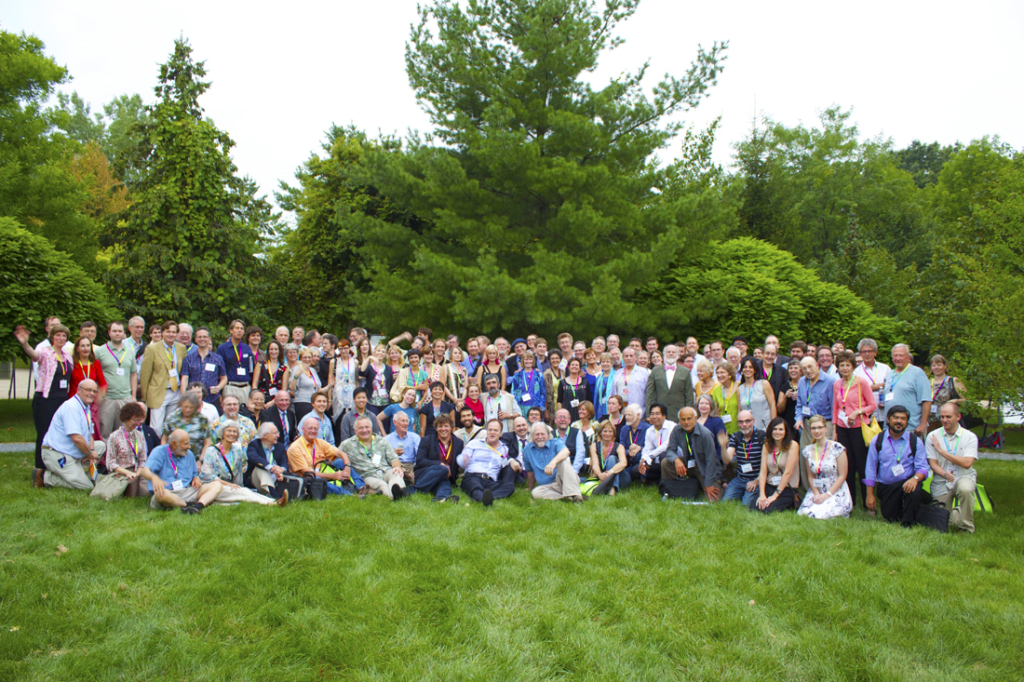
2027 International Big History Association’s 8th Global Conference
J.F. Oberlin University, Tokyo, Japan- March 10-12 (Wed-Fri)
 Call for Papers
Registration (Coming soon)
Accommodation Option: National Olympic Memorial Youth Center (Information coming soon)
Venue: Shinjuku Campus, J. F. Oberlin University, Tokyo; Address: 3-23-1 Hyakunincho, Shinjuku-ku, Tokyo
Nearest Station: Shin-Okubo Station on the JR Yamanote Line
Hosts: International Big History Association & J. F. Oberlin University; Co-host: Asian Big History Association
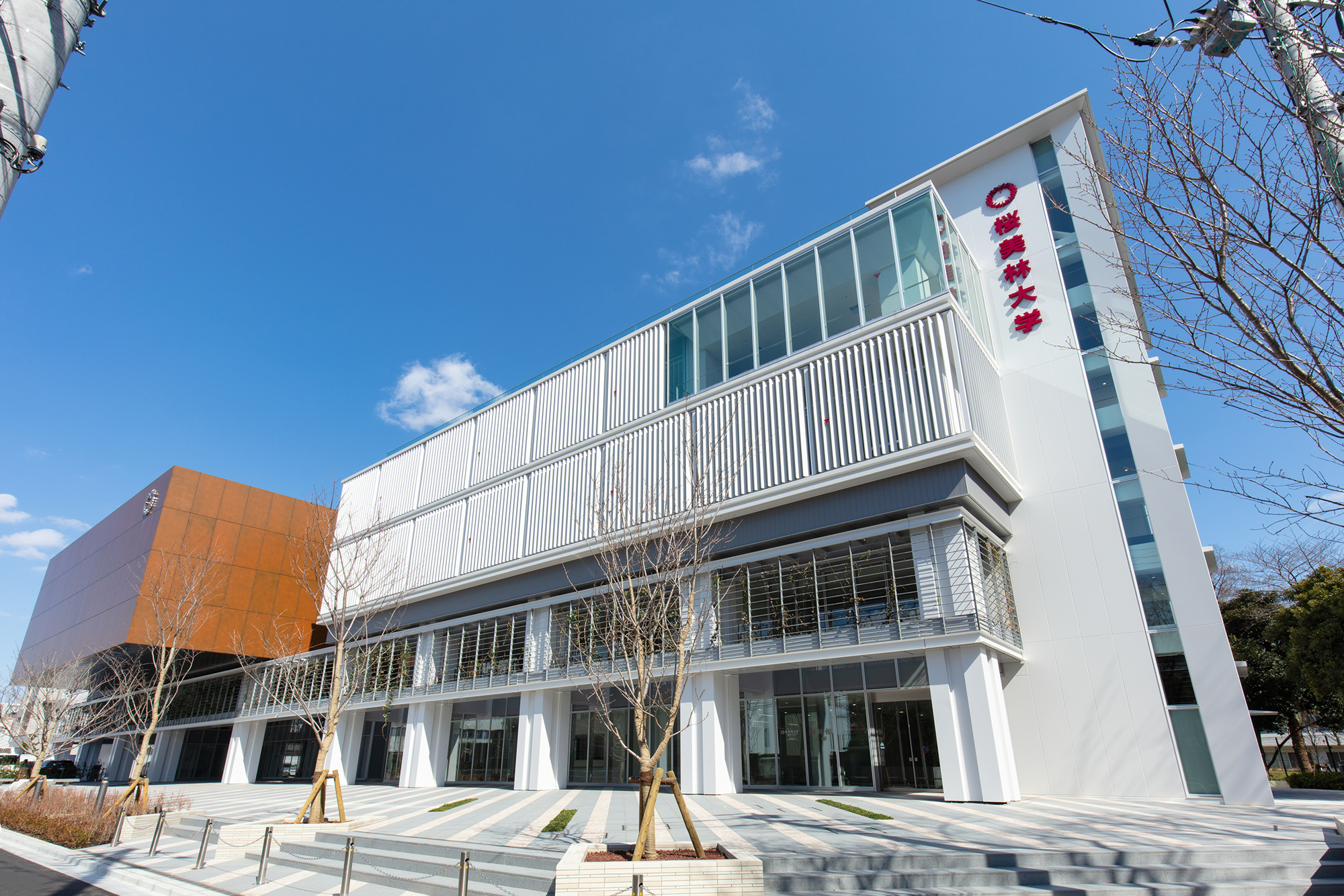

Theme: Applying Big History to Our Reality: Thoughts, Actions, and Imagination
The intellectual movement of Big History has, until now, focused its efforts on organically integrating previously disparate scientific knowledge to construct “the story of humanity.” It has synthesized the histories of the universe, Earth, life, and humankind, presenting a powerful narrative that serves as the foundation for human unity. Today, the Big History movement is called upon to enter a new phase.
We are currently in a period of major transition. The intensification of climate change, the outbreak of new wars, the emergence of generative AI, and the crisis of biodiversity—it is as if we are standing at a new threshold in the history of the universe. In these chaotic times, where the future is uncertain, what is required of us is to apply Big History to our reality—that is, to use the methods of Big History to address the global challenges we face and show the way forward for humanity and the Earth.
“Where do we come from, and where are we going?”—This is one of the ultimate questions for humanity. Big historians have provided clear answers to the first part of this question. However, “applying Big History to our reality” means addressing the second part of the question—that is, facing the future. Moreover, this is not merely a matter of predicting “where we are going” by fixed laws; it is nothing less than creating the future.
What becomes essential here are thought, practice, and imagination. In other words, by tracing the ultimate origins of things to grasp their deeper meaning, we unleash the infinite power of Big History’s imagination to craft a vision for new action. Participating in the creation of the future by freely exercising cosmic imagination grounded in the realities of science and cosmic history—this is what Russian Cosmism termed “active evolution.”
This is IBHA’s first in-person global conference in Asia. The 2026 academic year (through March 2027), during which the conference is hosted, also marks the 10th anniversary of J. F. Oberlin University’s engagement with Big History, which began in 2016. The Oberlin Big History Movement has been active with “applying Big History to reality” as one of its core pillars. Let us explore the imagination of Big History and its potential to transform reality together at this landmark conference.
Special Symposium
Big History and SF Imagination: In Search of a New Worldview and Vision
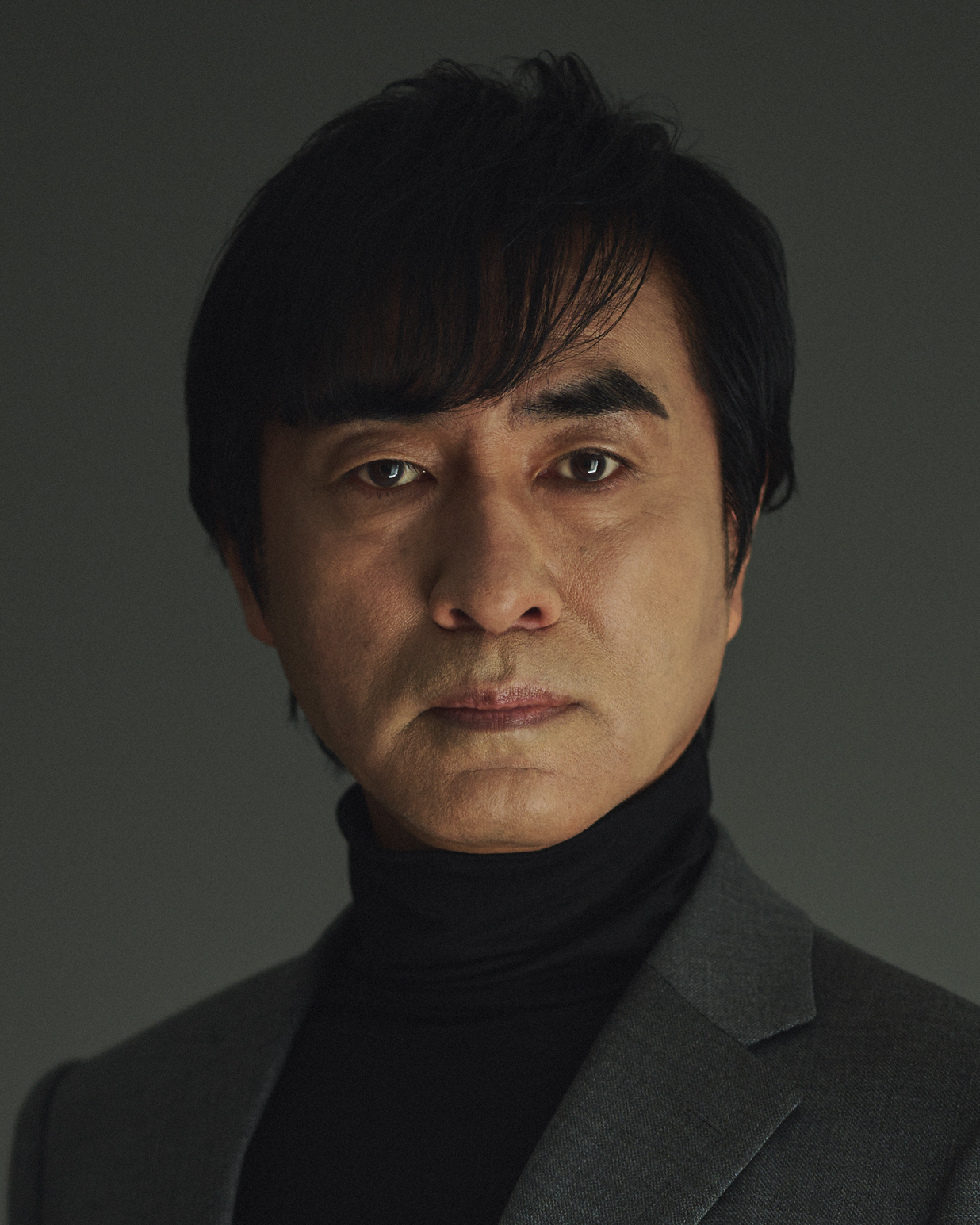
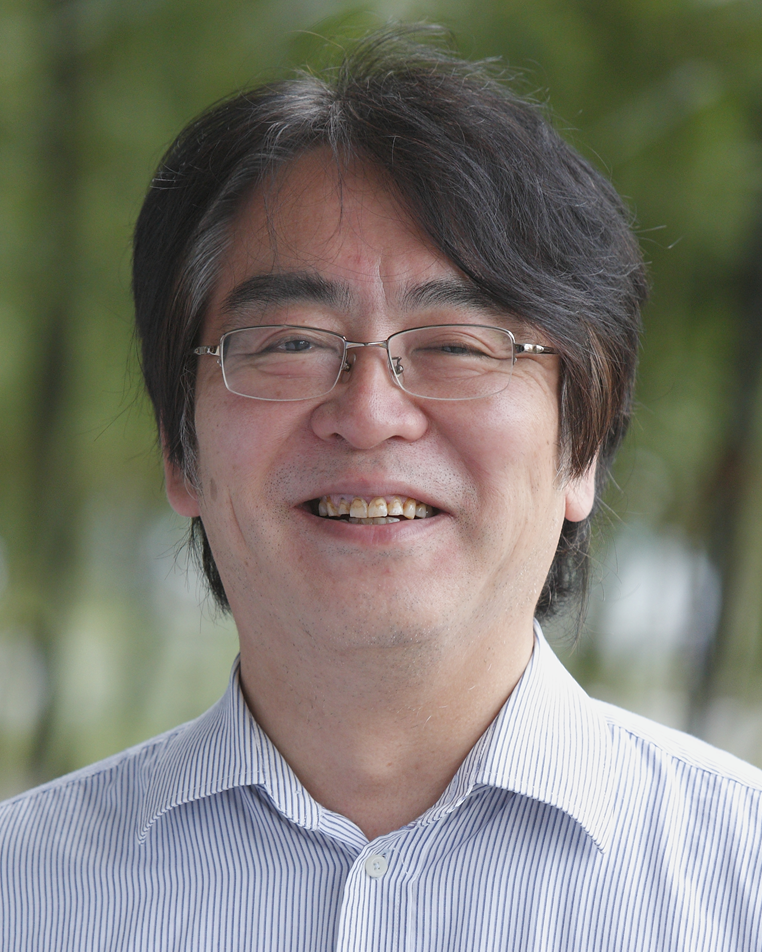
Shoji Kawamori Yoshinori Hiroi
As a keynote event, we will hold a Special Symposium on Day 1, which is free and open to the public. To look back on the past with a big picture and look ahead to the future with flexible imagination, we have invited two distinguished speakers: One is Yoshinori Hiroi, Professor Emeritus at Kyoto University, who specializes in the philosophy of science; the other is animation director Shoji Kawamori, best known for the Macross and Aquarion series.
Thinker Yoshinori Hiroi argues that humanity has survived by confronting the limits of the environment and resources twice before—in hunter-gatherer societies 50,000 years ago and in agrarian societies in the fifth century BCE—each time generating new ideas and values, known as the “Big Bang of the Mind” and the “Axial Age,” to achieve a sustainable steady state. Now, as industrial society faces these limits once again, Hiroi believes we need a new worldview—something like an “Earth and Cosmic Ethic”—and is working to craft it, drawing inspiration from Big History, animism, and Osamu Tezuka’s sci-fi and historical manga Phoenix.
Anime director Shoji Kawamori is a creator deeply aligned with Big History, continually striving to create “a new form of modern myth” through SF animation. Starting his career as a mecha designer, Kawamori came to realize that the true meaning of design is “giving clear shape to invisible things.” To design a work, he notes, one first needs an underlying worldview and vision. In short, making anime is creating a vision—which is why Kawamori calls himself a “vision creator.” Using both indigenous wisdom and advanced technology, he seeks a fundamental alternative, neither just modern nor traditional.
What this symposium attempts is to spark a chemical reaction between two visionaries who share common interests: Big History and sci-fi, as well as modern and native cosmologies.
Note: The entire event will be conducted in Japanese with simultaneous interpretation into English.
Big History Festival
During the conference, we will hold an exhibition titled “Big History Festival,” featuring various artworks centered on the theme of Big History.
Izumi Fujisaki, a Japanese-style painter and professor at the College of Performing and Visual Arts at Oberlin University, has created works that blend the cherry blossom—a symbol of traditional Japanese beauty—with the universe. Professor Fujisaki, along with students and alumni from her seminar, has created hanging scrolls inspired by Big History, inviting us into a “Big History Art Corridor.”
Additionally, Nobuo Tsujimura, who teaches Big History courses in the College of Global Communication at the university, has encouraged students to express their creativity freely by accepting not only essays but also artworks, crafts, and performances like dance as final assignments. Selected ambitious works created by these students will be on display at the venue.
Other exhibits are also planned. We invite you to experience Big History through art!
Post-Conference Tour:
Tamagawa Aqueduct Walk: 4.6 Billion Years with Ms. Lee
The Tamagawa Aqueduct is a historic water supply channel constructed in 1653 over a distance of about 43 kilometers from Hamura to Yotsuya Okido to supply drinking water to the city of Edo (present-day Tokyo). The name “Tamagawa Aqueduct” derives firstly from its water source, the Tama River, and secondly from the brothers Showemon and Seiyemon, who completed the construction under the order of the shogunate and were granted the surname “Tamagawa.” Today, it is designated as a National Historic Site and cherished as a valuable historical legacy.
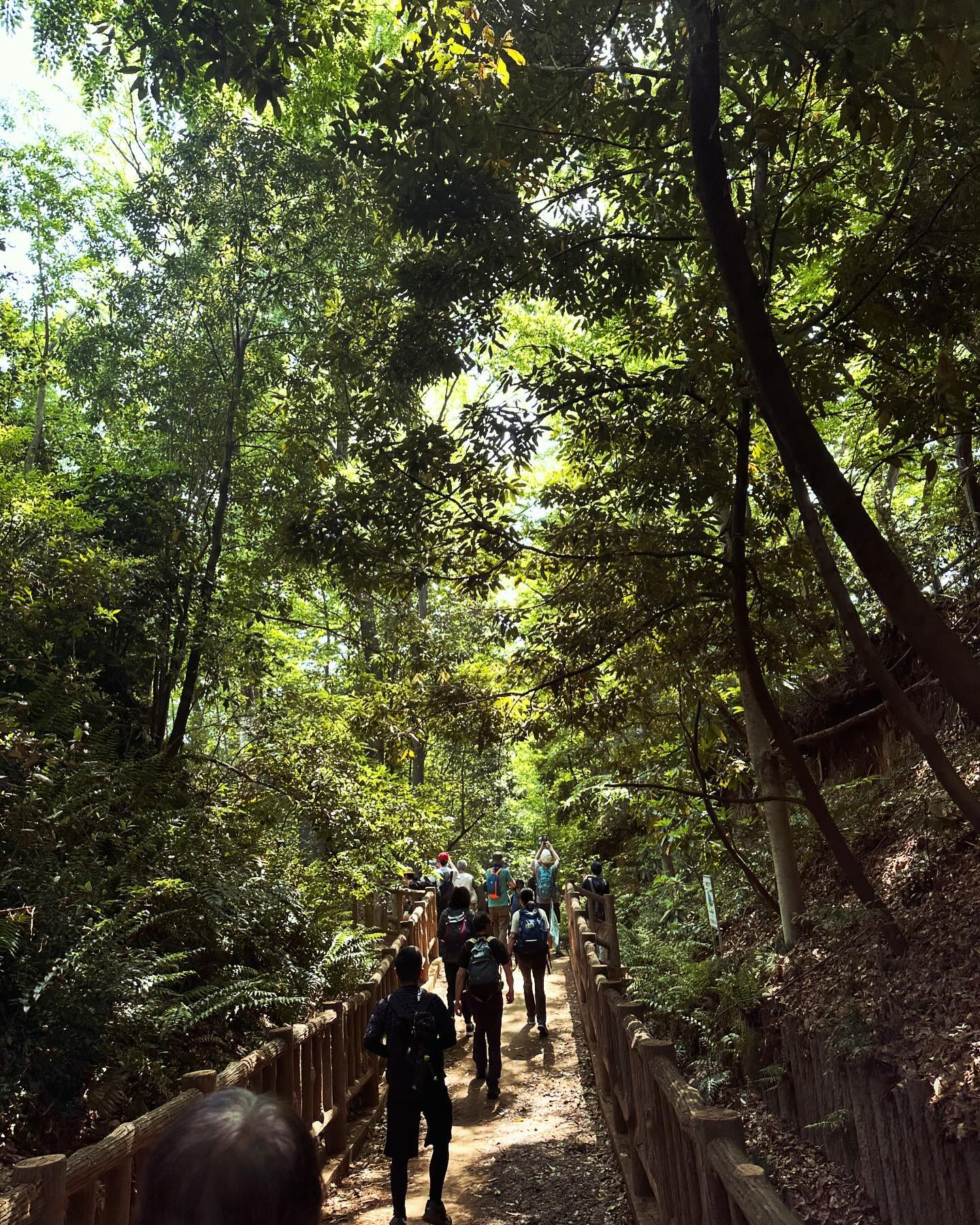
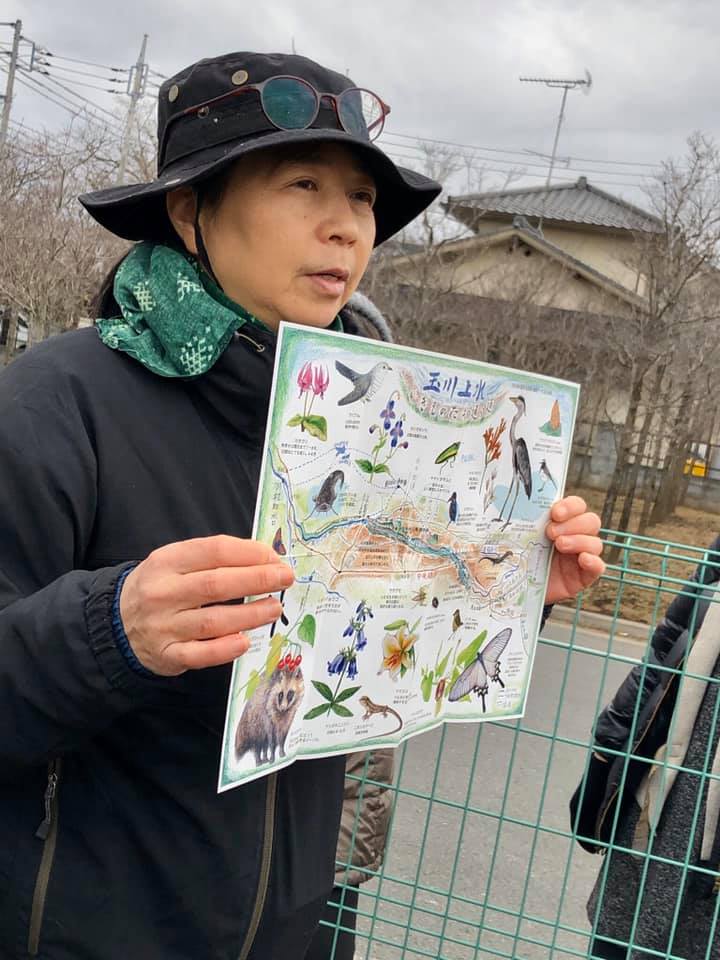
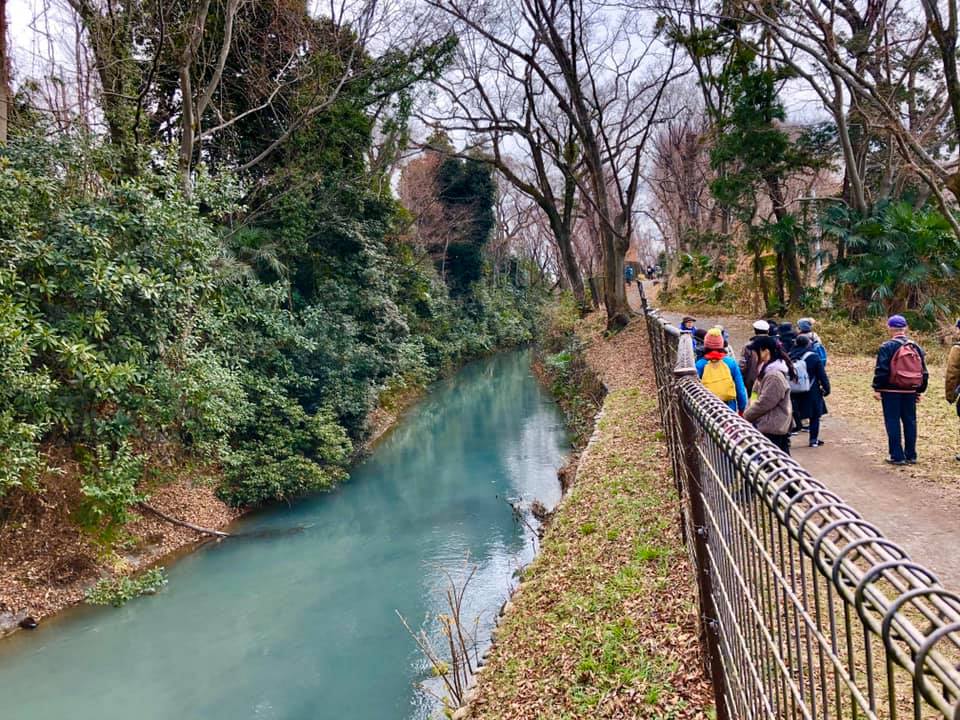
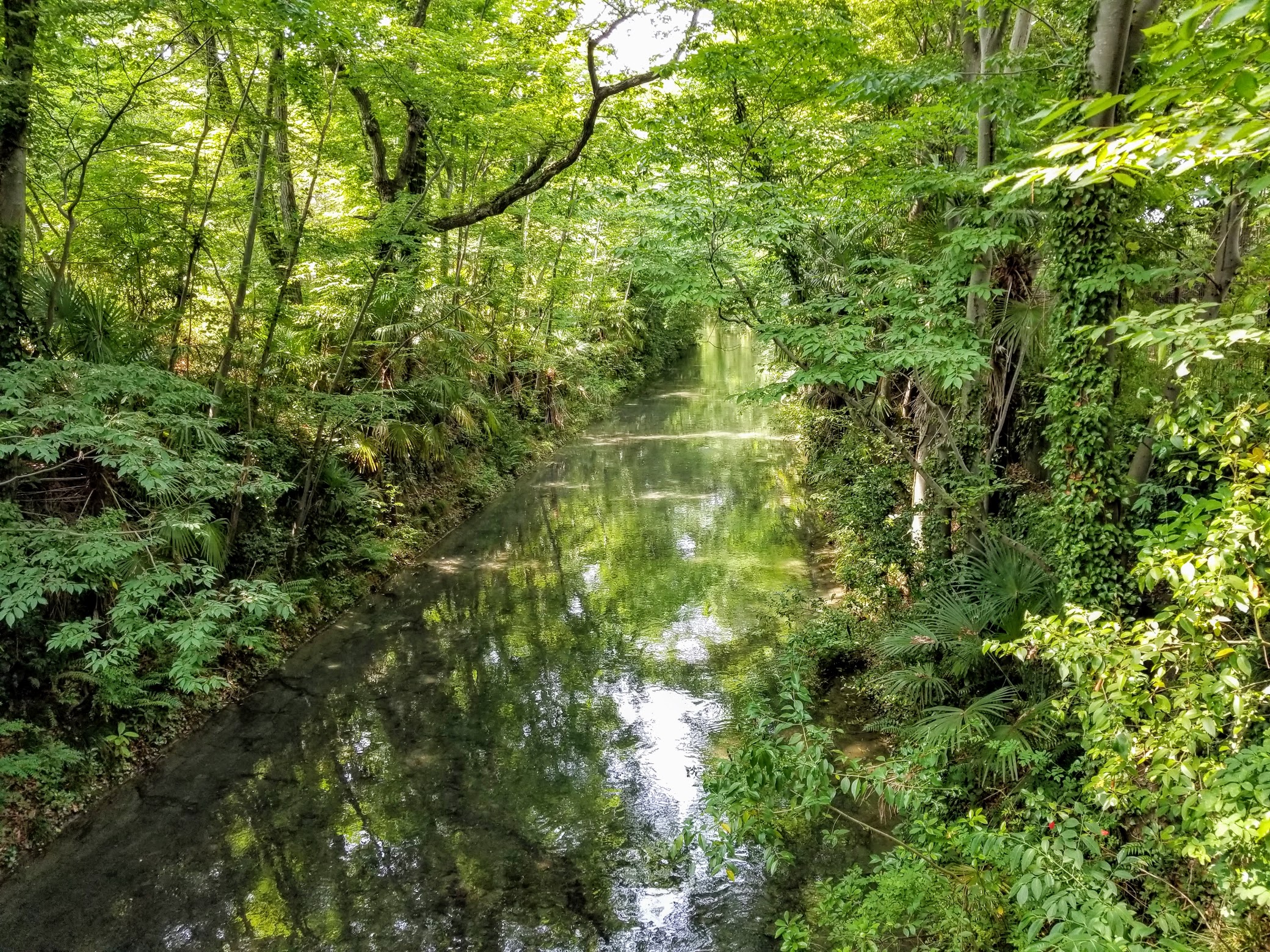
Since 2013, artist Satoko Lee has been dedicated to preserving the ecosystem along the Tamagawa Aqueduct through “Chimukui” (The Society to Support Little Insects, Plants, and Creatures). She describes the Aqueduct as a “vital artery of water and greenery” flowing through Tokyo. Although originally a man-made water channel, it became a refuge and corridor for wildlife during post-WWII residential development, eventually evolving into a “walking museum” boasting remarkable biodiversity.
In 2020, Lee launched an art and educational project titled “Walking the 4.6 Billion Years along the Tamagawa Aqueduct.” In this initiative, the 43-kilometer waterway is combined with the remaining distance to the Imperial Palace (formerly Edo Castle) to total 46 kilometers, which represents the 4.6-billion-year history of the Earth. By walking along the path, participants can physically experience and learn about the history of our planet and life itself.
On Saturday, March 13, the day after the final day of the conference, interested participants can join a guided walking tour along the Tamagawa Aqueduct with Ms. Lee. Participation is free of charge. Why not take a breather in Tokyo’s “green corridor” while experiencing Big History firsthand?
Meals and Accommodation
Food and beverages will only be provided during the Opening Reception on the first evening and during the daily coffee breaks throughout the conference. Please note that lunch will not be provided. We encourage participants to enjoy lunch on their own during the 1.5-hour lunch break. Fortunately, the Shin-Okubo area is one of Tokyo’s premier multicultural hubs. While it is particularly famous for its Korean cuisine, you can enjoy a wide variety of dishes from various countries. We hope you take this opportunity to find a restaurant that catches your interest and check it out!
Accommodations
There are may nice hotels near the venue, including Hotel Metropolitan Tokyo Ikebukuro (from about $119/night). However, to help reduce travel expenses, another option is provided through Oberlin University’s arrangements with the National Olympic Memorial Youth Center. The National Olympic Memorial Youth Center is located about a 7-minute walk from Sangubashi Station on the Odakyu Line. From Sangubashi Station, it takes about 12 minutes by train to reach Shin-Okubo Station on the JR Yamanote Line, the nearest station to the Shinjuku Campus.Two room types are available:
- Type C: Private room without bathroom or toilet (shared facilities only); 2,960 yen per night (please apply by the Early Bird Registration)
- Type D: Private room with bathroom and toilet; 5,000 yen per night (please apply by the Standard Registration)
In Japanese:
国際ビッグヒストリー学会 第8回世界大会
期間:2027年3月10日(水)〜12日(金)
会場:桜美林大学 新宿キャンパス
住所:東京都新宿区百人町3-23-1
最寄駅:JR山手線 新大久保駅
テーマ:「ビッグヒストリーを現実に適用する――思想・実践・想像力」
主催:国際ビッグヒストリー学会、桜美林大学
共催:アジア・ビッグヒストリー学会
ビッグヒストリーを現実に適用する――思想・実践・想像力
ビッグヒストリーという知的運動は、これまで、バラバラだった科学的知識を有機的に結合して、「人類の物語」を作り上げることにその努力を注いできました。宇宙・地球・生命・人間の歴史を統合し、人類統合の基盤となる強力な物語を提示してきました。今日、ビッグヒストリー・ムーブメントは、新しい段階に入ることが求められています。
私たちはいま、大きな移行期にいます。気候変動の激化、戦争の勃発、生成AIの出現、生物多様性の危機――それはあたかも、私たちが宇宙史における新たなスレッショルドを迎えているかのようです。こうした先の見えない混沌とした時代の中で、私たちに求められているのは、ビッグヒストリーを現実に適用すること、つまり、ビッグヒストリーの方法を用いて、私たちが直面している地球的諸課題に対処し、人類と地球の方向性を示すことです。
「私たちはどこから来て、どこへ行くのか」――それは、人間にとっての究極の問いの1つです。ビッグヒストリアンは、この問いの前半部分には、これまで明快に答えてきました。しかし、「ビッグヒストリーを現実に適用する」とは、この後半の問いに、言い換えれば未来に向き合うことです。しかもそれは、単に「どこへ行くのか」を法則的に予測することではなく、未来を創造することに他なりません。
その際に必要になるのが、思想、実践、想像力です。ものごとの究極の起源をたどってその意味を捉え、ビッグヒストリーのもつ無限のイマジネーションの力を解き放って、新たな行動のためのビジョンを描くことです。現実を科学的・宇宙史的に踏まえながら、宇宙的想像力を自由に発揮することにより、未来の創造に参画すること――ロシア宇宙主義はこれを「能動進化」と呼びました。
本大会は、国際ビッグヒストリー学会がアジアにおいて初めて対面で行う世界大会です。また2026年度は、桜美林大学が2016年にビッグヒストリーに取り組み始めてから10周年に当たります。桜美林ビッグヒストリー・ムーブメントは、「ビッグヒストリーを現実に適用する」ことを柱の1つとして、これまで活動してきました。この画期となる大会で、ビッグヒストリーの想像力と現実変革の可能性をともに追求していきましょう。
ビッグヒストリーとSF的想像力――新たな世界観とビジョンを求めて
目玉企画として、初日に一般に無料で公開する特別シンポジウムを開催します。大きな見取り図によって過去を振り返り、柔軟な想像力をもって未来を見据えるため、お二人の傑出した講演者をお招きしました。お一人は科学哲学を専門とする京都大学名誉教授の広井良典氏、もうお一方は『マクロス』シリーズや『アクエリオン』シリーズで知られるアニメ監督の河森正治氏です。
思想家の広井良典氏は、人類はこれまでに2度――5万年前の狩猟採集社会と紀元前5世紀の農耕社会において――環境と資源の限界に直面しながらも、そのたびに「心のビッグバン」や「軸の時代」として知られる新たな思想と価値観を生み出し、持続可能な定常社会を実現することで生き延びてきたと主張します。工業社会が今一度同様の限界に直面している今、広井氏は「地球・宇宙倫理」のような新しい宇宙観が必要であると考え、ビッグヒストリーやアニミズム、手塚治虫の『火の鳥』にも触発を受けながら、その世界観の構築に取り組んでいます。
アニメ監督の河森正治氏は、ビッグヒストリーに深い共感を寄せるクリエイターであり、SFアニメを通して「現代の新たな神話」を創り出そうと奮闘してきました。メカニックデザイナーとしてキャリアを始めた河森氏は、デザインの本当の意味とは「見えないものに形を与えること」だと考えるようになりました。河森氏によると、アニメ作品をデザインするためには、まずその根底にある世界観とビジョンが必要です。つまり、アニメを作ることはビジョンを創ることなのです。氏が「ビジョンクリエイター」を名乗る所以です。河森氏は先住民の叡智と先端技術の両方を用いて、単に近代的でも伝統的でもない、根源的なオルタナティブ(代案)を探求しています。
本シンポジウムが試みるのは、ビッグヒストリーとSF、そして近代と土着の宇宙観という共通の関心を持つ、2人のビジョン構想者の化学反応なのです。
注:講演と対談はすべて日本語で行われ、英語に同時通訳されます。
ビッグヒストリー・フェスティバル
本大会では、「ビッグヒストリー・フェスティバル」と題して、ビッグヒストリーをテーマとする様々なアート作品の展示を行います。
桜美林大学芸術文化学群の藤崎いづみ教授は、日本画家として、これまで日本の伝統美である桜の花と宇宙を結びつけた作品を描いてきました。藤崎教授と彼女のゼミの学生・卒業生が、ビッグヒストリーをモチーフとした掛け軸を創作し、ビッグヒストリー・アートの回廊へと私たちを誘います。
また、同大学のグローバル・コミュニケーション学群でビッグヒストリー科目を担当する辻村伸雄氏は、期末の課題として、エッセイだけでなく、絵画や工作、ダンスなどのパフォーマンスも提出物として認めることで、学生が自由なアート表現を試みるよう促してきました。会場では、そうした学生の意欲的な作品を展示します。
そのほかにも展示を予定しています。アートを通じて、ぜひビッグヒストリーを感じてください!
玉川上水めぐり――リーさんと46億年を歩こう
玉川上水は、江戸(現在の東京)の町へ飲用水を供給するため、1653年に羽村から四谷大木戸までの約43kmにわたって開削された上水道です。玉川上水の名前は、第一に水源の多摩川、第二に幕府の命により工事を完成させて「玉川」の姓を賜った庄右衛門・清右衛門兄弟に由来します。現在は国の史跡に指定され、歴史的遺産として親しまれています。
アーティストのリー智子(さとこ)氏は、2013年から「小さな虫や草やいきものたちを支える会」(ちむくい)を通して玉川上水沿岸の生態系の保全に取り組んできました。彼女は玉川上水を、東京を流れる「水と緑の大動脈」と呼びます。人工的に作られた上水道であるものの、戦後の宅地開発に伴って「いきものたちの避難場所兼通り道」となり、いつしか屈指の生物多様性を誇る「歩く博物館」に成長したというのです。
2020年に、リー氏は「玉川上水46億年を歩く」というアート・教育プロジェクトを立ち上げました。この取り組みでは、約43kmの水路に皇居(旧江戸城)までの残りの距離を加えて合計46kmとし、これが地球史の46億年を表しています。沿道を歩くことで、参加者は地球と生命の歴史を体で感じとり学ぶことができるのです。
希望する方は大会最終日の翌日、3月13日(土)に、リー氏の案内で玉川上水沿いをウォーキングすることができます。しかも参加費は無料です。東京の「緑の回廊」で一息つきながら、ビッグヒストリーを感じてみませんか。
お食事・周辺の飲食店
飲食物の提供は、初日夜の開会レセプションと大会期間中毎日設けられるコーヒー・ブレイクに限ります。こちらでは昼食のご用意はございませんので、1時間半ある昼休みの間に各自お取りいただければと思います。幸い新大久保エリアは都内随一の多民族スポットです。特に韓国料理が有名ですが、色々な国の料理を味わうことができます。ぜひ気になる店を見つけて訪ねてみてください。
宿泊施設のご案内
桜美林大学では旅費の負担を減らすべく、廉価な宿泊先として国立オリンピック記念青少年総合センターを選定し、交渉を進めています。
利用できる部屋のタイプは次の2つです。
- タイプC:バス・トイレなし個室(共用のみ) 1泊 2,960円
- タイプD:バス・トイレ付き個室 1泊 5,000円
現在、Dタイプの部屋を男女それぞれ25人分、3月9日〜12日の間、仮押さえの申請を行っているところです。
申込期限
- タイプCの利用を希望する場合、早割の登録期限までに申込をお願いします。
- タイプDの利用を希望する場合、通常の登録期限までに申込をお願いします。
国立オリンピック記念青少年総合センターは最寄りの小田急線・参宮橋駅から徒歩約7分のところにあります。参宮橋駅から新宿キャンパスの最寄りであるJR山手線・新大久保駅までは電車で12分ほどです。
2025: A New Big History: theory, methods, objects & perspectives – December 1-3
Schedule Abstracts Presentations
2024: IBHA Conference, Norman, Oklahoma, June 28-30
We look forward to seeing you in person at our 2024 conference from June 28 to 30, where we can discuss all of our latest work on the cosmos, Earth, life, humanity – as well as exoplanets, astrobiology, the multititude of life forms, culture, and the potential of a multiverse – throughout all of the known past as well as in what we might reasonably expect in the future.
The center of North America is another great place to discuss big history. The geology of Oklahoma is formed by Carboniferous rocks in the east, Permian rocks in the center and towards the west, and a cover of Tertiary deposits in the panhandle to the west. The panhandle of Oklahoma is also noted for its Jurassic rocks as well. Cretaceous sediments are found in the south east. There are also some areas with older outcrops dating back to Cambrian, and even one area of Precambrian igneous rocks. The Great Salt Plains are the remains of an ancient inland sea. The Sam Noble Oklahoma Museum of Natural History is a world class, state-of-the-art natural history museum with wings about flora and fauna, the evolution of life, and the peoples of Oklahoma from precolumbian times to the present.
2023: Humanity on a Finite Planet: A Big History Perspective (online) July 7-9
Schedule, Abstracts and Bios of Speakers Videos
The discipline of big history throws light on the achievements and challenges in the present and possibilities for the future by analyzing the biological, social, political and economic history of the homo sapiens in the context of the geological, climatological, environmental, and evolutionary history of the planet earth and the cosmological history of the solar system and the universe.
At this point in time, the human civilization is at a crossroads. The choices we collectively and individually make in the next decade or so will lock humanity into either a destructive or a sustainable pathway for our species. In big history terminology, we may have just entered or are about to enter a new threshold. While in the past, humans have progressed largely by following their survival and adaptation instincts, now as a global civilization, collectively we have a better understanding of the complex web of reality around us and therefore are in a position to make informed choices towards a desirable destiny.
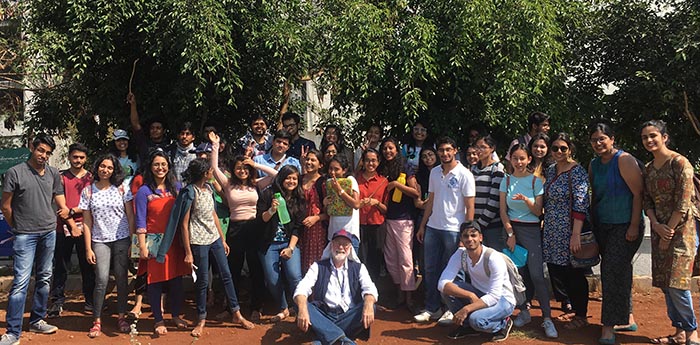
2021: Changing the World: Community, Science and Engagement with Big History; SSLA Pune India & Online) August 1-5
The International Big History Association’s Fifth Global Conference, in collaboration with Symbiosis International University, will be held in the summer of 2021 in India. Its theme focuses on Changing the World: Community, Science and Engagement with Big History. The IBHA has held conferences on meaning, teaching and research, and so now will address issues of community and change around our planet. In other words: How can big history help us in its application to world issues?
Our conference will be co-sponsored by and held at the Symbiosis School for Liberal Arts (SSLA), one of the university’s most innovative programmes.
Launched in 2011, SSLA was the first liberal arts school in an Indian university and remains the only four-year degree and honours programme. SSLA is home to the India Association for Big History, which formed in 2016. Two years later, the first course in Big History in South Asia began at SSLA, growing out of its Anthropology Department.
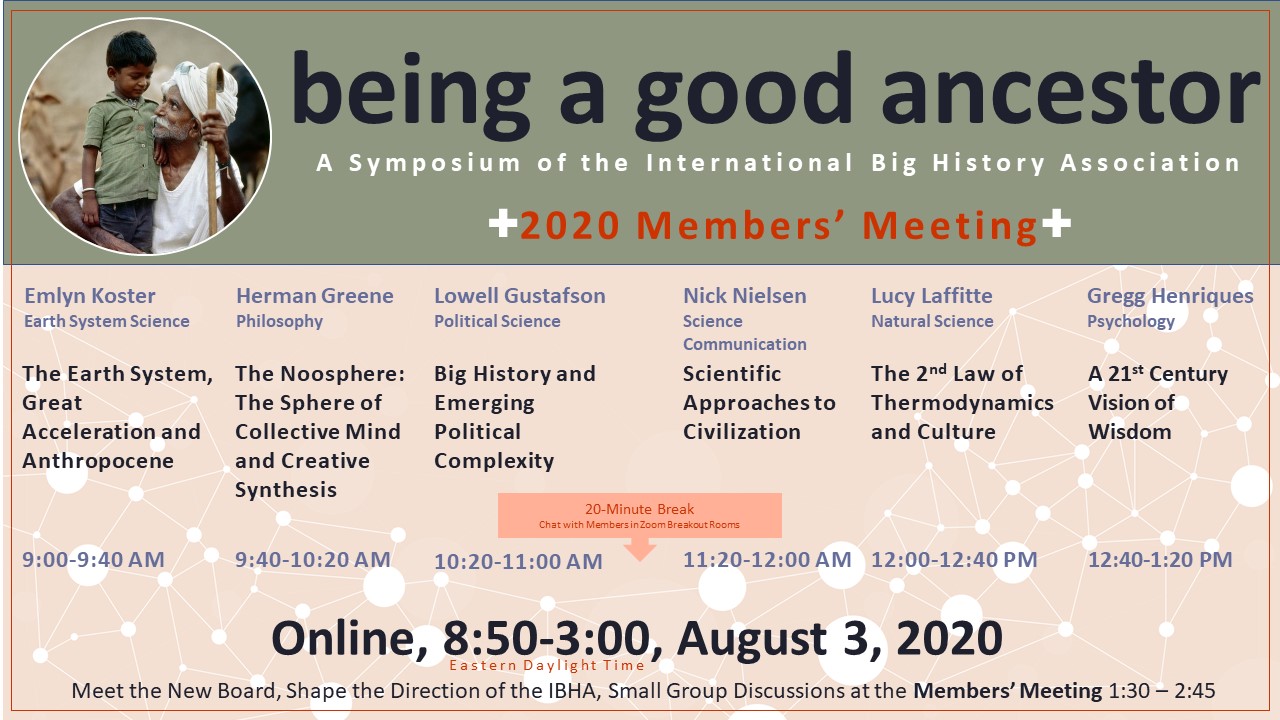
2020: Being a Good Ancestor (online) August 3
2019: Life in the Universe: Big History, SETI and the Future of Humankind, Milan Italy July 15-16
The Symposium is organized jointly by some members of the international SETI community and the International Big History Association (IBHA). It will take place in Milan (Milano, Italy) on July 15th – 16th, 2019, with an additional visit to the Republic of San Marino on July 17th and 18th, 2019. San Marino, known as the Most Serene Republic of San Marino, is an enclaved microstate surrounded by Italy, situated on the Italian Peninsula on the northeastern side of the Apennine Mountains. It was named a World Heritage Site by UNESCO in 2008.
Topics of Interest:
Big History Educational approaches for different ages and sector
Local Histories from a Universal point of view
Planetary sciences: the geologic conditions for life and civilizations
Astrobiology: life on other planets
SETI, both Radio and Optical
Sociological, Ecological and Economic Implications on Humankind after the First Contact with Aliens
2018: Big History, Big Future: A Cosmic Perspective, Villanova University, July 26-29
Schedule . Videos Emergent Universe Oratorio
2016: University of Amsterdam, 14-17 July
Program . Videos
The University of Amsterdam, where big history has been thought since 1994, proudly hosted the third IBHA conference, the first one held outside the USA.
The conference title “Building Big History: Research and Teaching” indicated that a major goal of the conference was to further develop the young field of big history, with concurrent presentations and roundtables on topics ranging from big history research agendas to innovative teaching practices.
Special events included keynotes by big history pioneers Fred Spier and Johan Goudsblom from the University of Amsterdam and paleobiologist Mark Williams from the University of Leicester. In addition, there was a presentation by the Big History Project and update sessions in which renowned scholars and scientists from the Netherlands lectured on the latest developments in their fields that are relevant for big history.
For those interested in the history of Amsterdam there was a guided walking tour. After the conference, attendees were invited to join a big history tour of Western Europe, in which a number of sites where important scientific discoveries were made and historically significant places were visited.
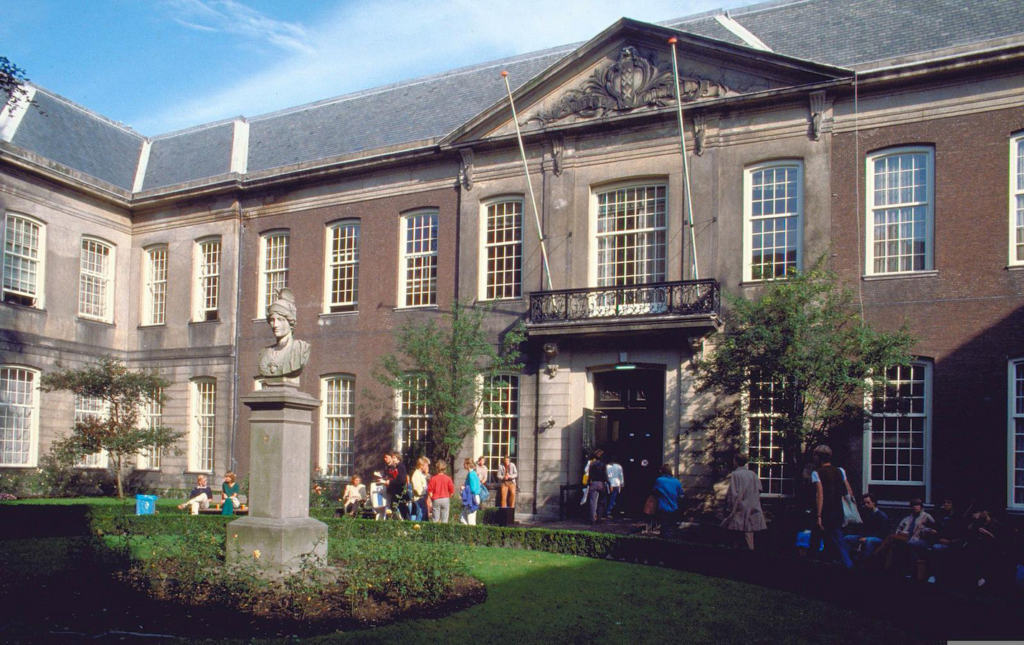
The main conference venue: the Oudemanhuispoort at the University of Amsterdam
2014: Dominican University of California, San Rafael, CA. August 6-10
Notes: Day1 | Day2 | Day3 Program
The second conference of the International Big History Association was held at Dominican University of California, a small private university situated twelve miles north of the Golden Gate Bridge, August 6 -10, 2014. Dominican is the first university to require Big History for all its first-year students.
The conference theme was “Teaching and Researching Big History: Big Picture, Big Questions” and the opening keynote “The Meaning of Big History” was delivered by David Christian. The first plenary session was led by Robert Connor, former president of the Teagle Foundation. The three conference days included concurrent sessions and roundtables, presentations by the Big History Project and the Microsoft Chronozoom Project, theatrical performances, and a screening of film The Journey of the Universe followed by a lively panel discussion between IBHA Board members and the filmmakers
The conference closed with Fred Spier’s keynote, “The Future of Humanity,” leaving everyone with a deeper and broader understanding of the past and excited about their role in shaping the future.
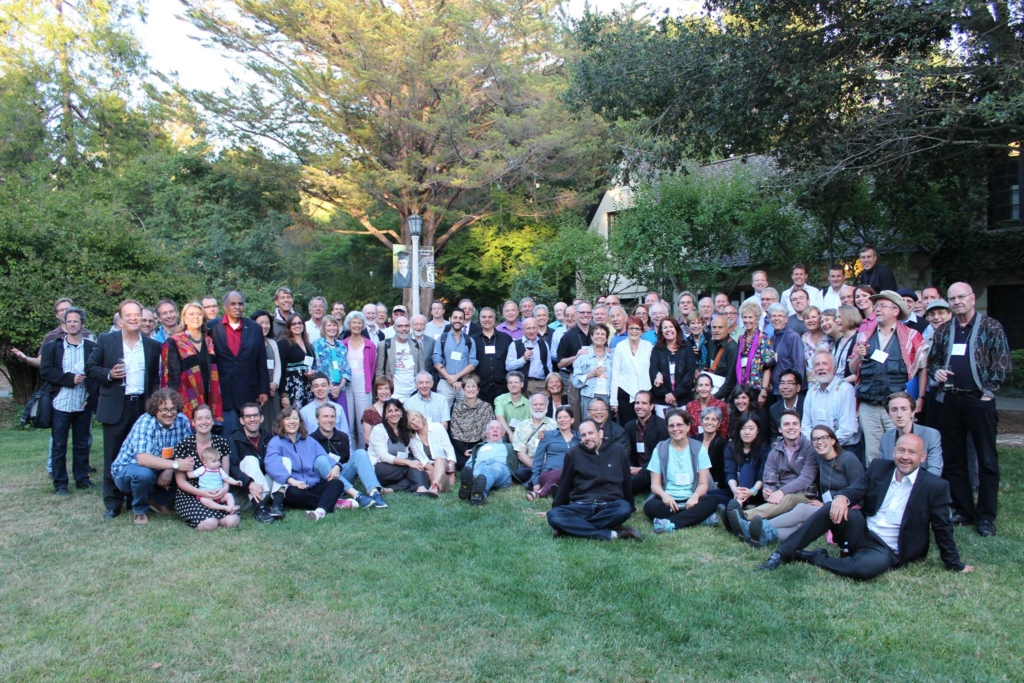
2012: First IBHA Conference: Grand Valley State University, Michigan. August 2-5
The inaugural conference of the International Big History Association was held at Grand Valley State University August 2-5, 2012. The conference theme was ‘Teaching and Researching Big History: Exploring a New Scholarly Field’.
The opening reception was held at the Grand Rapids Public Museum (and was followed by a special Big History program in the Planetarium); and keynote addresses were given at the Gerald R. Ford Museum, and at the main campus of GVSU in Allendale.
Conference delegates were able to choose between 40 different panels and roundtables, featuring some 130 different big history presentations. Both the Big History Project and the Microsoft Chronozoom Project were featured in plenary sessions; and Dr Walter Alvarez of the University of California Berkeley gave the principal keynote address titled, ‘Big History: A Bridge between Science and the Humanities’. The conference was a resounding success, and demonstrated the depth and breadth of big history research and teaching at all educational levels.